Numerical Reasoning Tests
Free Numerical Reasoning Test
Numerical Reasoning Test Practise
Numerical Reasoning Revision
What Does a Numerical Reasoning Test Involve?
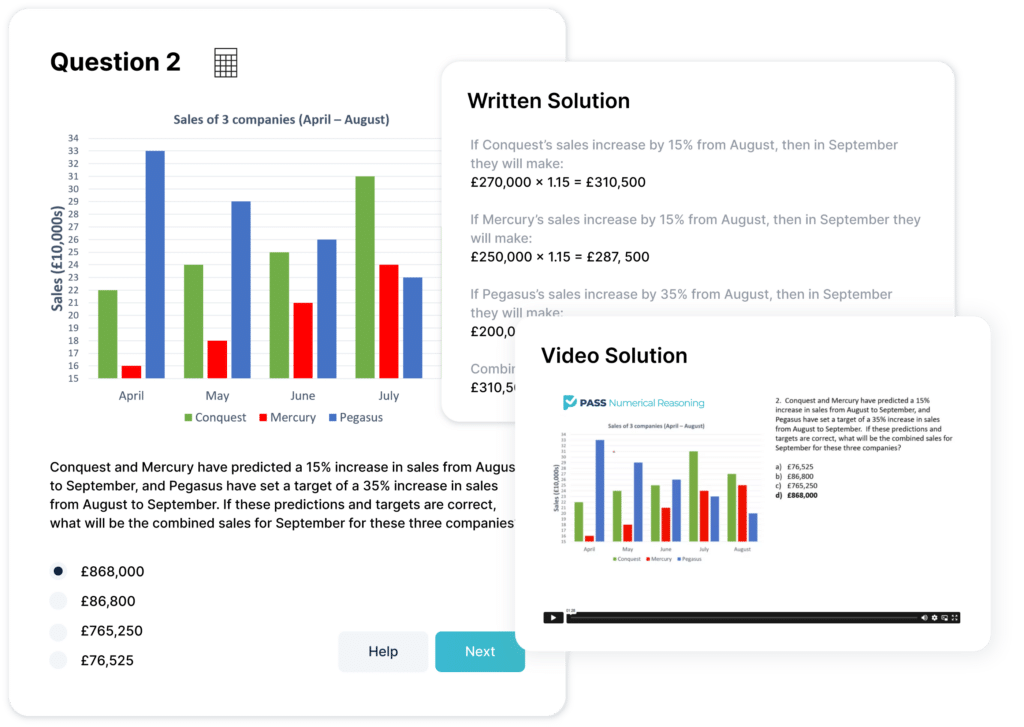
Most numerical reasoning tests follow a similar format. You’ll be given multiple-choice questions to complete online based on charts, graphs, tables, or written scenarios. These may ask you to calculate percentages, ratios, averages, or spot trends in the data.
The key challenge is not just getting the answer right, but doing so quickly and under time pressure. That’s why regular numerical reasoning test practice is so important when preparing.
They’re not just about doing calculations. A numerical reasoning test checks your ability to interpret information, make decisions based on figures, and work accurately within a time limit. This makes them a reliable way for employers to judge how you’ll handle real-world tasks in the workplace.

Leading Employers Using Numerical Reasoning Tests
















Numerical Reasoning Test Topics
Numerical reasoning tests often assess your ability to work with numbers, interpret data, and apply logical problem-solving under time pressure. A structured approach to preparation can make a significant difference. Some resources and courses are organised into main areas such as Numbers, Handling Information and Data, and Exam Technique.
The online numerical reasoning test course offered by Pass Numerical Reasoning is a comprehensive course covering all the topics likely to appear in your test. The course is structured as follows:
Unit 1: Numbers
This section helps build key mathematical skills such as working with fractions, percentages, ratios, and unit conversions. These are commonly tested in numerical reasoning assessments and are often applied to real-world workplace scenarios. You may also encounter questions on percentage change, compound interest, and financial problem-solving.
Unit 2: Handling Information and Data
In this part, the focus is on understanding and interpreting data from a range of formats, including graphs, tables, and charts. You will learn to work with bar charts, pie charts, line graphs, and cumulative frequency graphs. Skills like calculating averages and identifying patterns or trends are vital for success in most numerical reasoning tests.
Unit 3: Exam Technique
This section covers strategies to improve accuracy and efficiency when answering timed numerical questions. Practising under timed conditions can help you build speed and confidence. You will also learn tips for managing different question types and staying focused during the assessment.
How Numerical Reasoning Tests are Conducted
🏛️ Structure and Format of Numerical Reasoning Tests
Numerical reasoning assessments are usually completed online, either from home or at an approved test centre. These tests are commonly used early in the recruitment process for roles that involve data handling, logical thinking, and problem-solving, including graduate positions, apprenticeships, and professional jobs. The tests typically feature multiple-choice questions based on numerical data shown in tables, charts, and graphs. Candidates are expected to apply mathematical skills such as working with percentages, ratios, averages, and currency conversions. The structure can vary depending on the test provider and employer, but most tests contain between 15 and 30 questions.
⌛ Timing and Duration of Numerical Reasoning Tests
These assessments are often time-pressured, lasting anywhere from 12 to 30 minutes. Test-takers generally have under a minute per question, so strong time management skills are important. Some tests may offer a little more time for complex data sets, while others are designed to assess how well candidates perform under pressure. Regular practice with timed questions can improve speed, accuracy, and overall confidence when completing a real test.

Numerical Reasoning Tests Practice
Practising for a numerical reasoning test is one of the best ways to improve your performance. These tests often involve working under time pressure, interpreting unfamiliar data, and applying maths skills quickly. The more you practise, the more comfortable you become with the format, which can make a big difference on the day.
Regular numerical reasoning test practice helps you:
- Get used to the types of questions you’ll face
- Improve your speed without losing accuracy
- Spot patterns in graphs, tables, and written problems
- Build confidence by learning from mistakes
Even if you already have a good understanding of maths, test-style practice is essential. It trains you to apply your knowledge in the way employers expect, especially when you’re being timed. You can also use your practice results to shape your revision, focusing on the areas that need the most attention.
If you’re starting out, try a free numerical reasoning test to get a feel for the format. Then build your skills with focused revision and targeted test practice.
Free Numerical Reasoning Tests
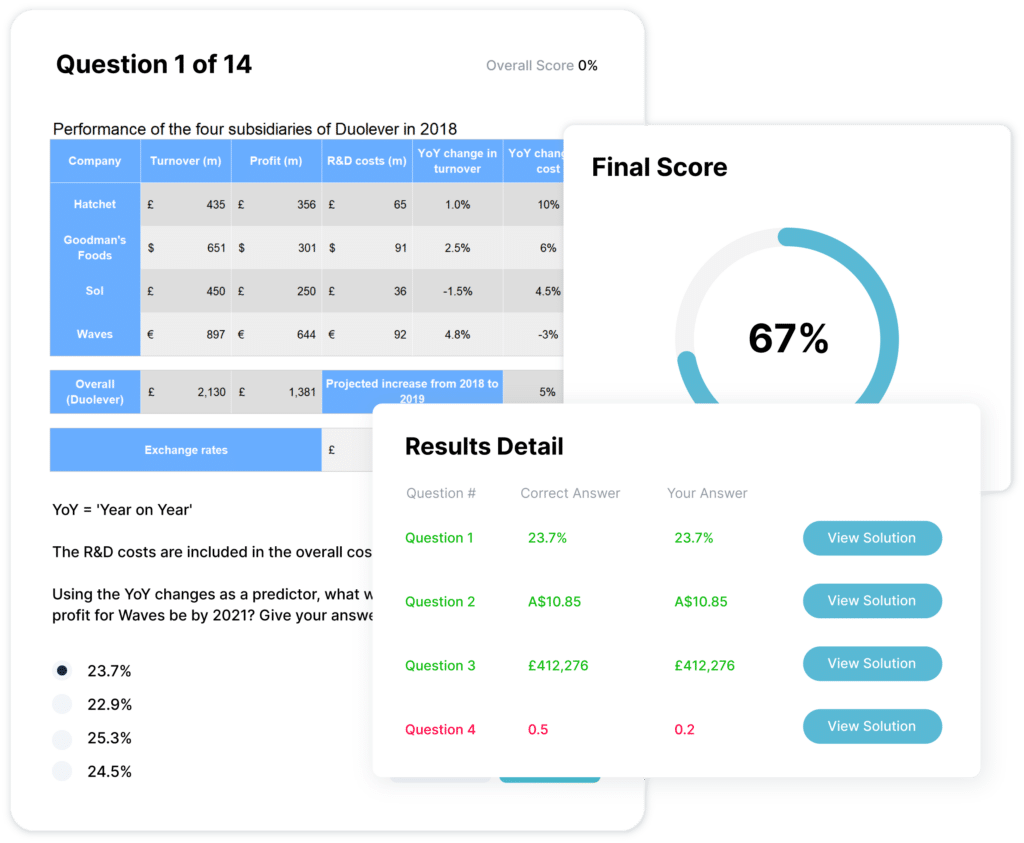
Trying a free numerical reasoning test is a great first step in your preparation. It gives you the chance to experience real test conditions without any pressure. You’ll get to see how the questions are structured, how long they take to complete, and which areas you need to improve.
Free tests are especially useful if you’re not sure where to start. They help you identify your current level and give a clear idea of what to expect in a real assessment. Whether you’re applying for a job, a graduate scheme, or simply want to boost your numerical confidence, starting with a free test makes sense.
If you’re also working towards other maths-related qualifications, such as a GCSE maths resit or A level maths revision, the skills you build through numerical reasoning practice can support you there too. Interpreting graphs, handling percentages, and making decisions based on data all cross over.
Once you’ve completed a free numerical reasoning test, you can move on to more structured practice or explore a full numerical reasoning course that breaks down each topic in more detail.
Common Numerical Reasoning Test Providers
There are several numerical reasoning test companies that design numerical reasoning assessments for employers, each with their own format, difficulty level, and question style. Below are some of the most commonly used graduate numerical reasoning test providers and key information about them:

Aon/Cut-e
Aon, sometimes referred to as Cut-e, provides fast-paced numerical aptitude tests that often include gamified elements. These assessments are typically short, lasting between 6 and 12 minutes, and focus on solving problems quickly and accurately. Aon’s tests are widely used in industries like technology, engineering, and fast-moving consumer goods (FMCG), where quick thinking is essential. Employers such as Rolls-Royce and Procter & Gamble regularly use these tests during recruitment.

Talent Q (Now Part of Korn Ferry)
Talent Q, now part of Korn Ferry, is recognised for its adaptive numerical psychometric tests. The difficulty of each question changes depending on how the candidate performs, making the experience more tailored and challenging. These tests are often used for executive and senior-level recruitment, where strong analytical thinking is essential. While time limits can vary, candidates are expected to work through numerical data quickly and accurately. Many global companies choose Talent Q assessments to help identify individuals with sharp decision-making and problem-solving skills.

Kenexa (IBM Talent Assessments)
Kenexa, now part of IBM Talent Assessments, offers detailed numerical reasoning tests commonly used in the banking, finance, and consulting sectors. These assessments typically run for 20 to 30 minutes and challenge candidates to analyse graphs, interpret financial information, and work through logical number-based problems. Because numerical accuracy is vital in these industries, Kenexa tests are often used to assess suitability for finance-related and analytical roles.

SHL (Saville and Holdsworth Limited)
SHL is one of the most widely used providers of online numerical reasoning tests, especially in corporate hiring. These tests usually take between 17 and 25 minutes to complete and include multiple-choice questions based on data from charts, tables, and graphs. Candidates typically have around a minute per question, so quick calculations and strong data interpretation skills are essential. Well-known employers such as PwC, Ford, and British Airways frequently use SHL numerical reasoning tests as part of their recruitment process.

Cubiks (Now Talogy)
Cubiks, now operating under Talogy, is known for its adaptable numerical reasoning tests, which often come with generous or even no time limits. These assessments are commonly used in public sector recruitment, including roles within the UK Civil Service. Candidates are expected to interpret workplace data involving trends, ratios, and percentages. Cubiks assessments are frequently combined with verbal reasoning and situational judgement tests to give a broader picture of a candidate’s suitability.
Numerical Reasoning Test FAQs
What is a numerical reasoning test?
A numerical reasoning test is an assessment that measures how well you can work with numbers and interpret data under pressure. It’s commonly used during job applications for roles that involve decision-making, finance, or data analysis. The test usually includes multiple-choice questions based on charts, tables, or written problems.
How can I practise for a numerical reasoning test?
Practising regularly is key to improving your performance. Start with a free numerical reasoning test to get used to the format, then build up your skills with timed questions and structured revision. This helps you work faster, spot patterns more easily, and avoid common mistakes.
What are the main numerical reasoning test topics?
Most numerical reasoning test topics fall into three main areas: Numbers (percentages, ratios, fractions), Handling Information and Data (interpreting graphs and tables), and Exam Technique (working quickly and accurately under pressure). A good numerical reasoning course will cover all of these in detail.
Is there a free numerical reasoning test I can try before the real one?
Yes, trying a free numerical reasoning practise test is a great way to begin your preparation. It gives you a feel for the types of questions you’ll face and helps you identify which areas to focus on next. It’s a useful first step before moving on to more advanced revision.
What’s the best way to revise for a numerical reasoning test?
The best approach is to combine regular practice with focused revision. Work through real test questions, review your mistakes, and use a structured numerical reasoning course that covers key topics step by step. Time yourself to build speed and improve accuracy.
How do I pass a numerical reasoning test?
To pass a numerical reasoning test, it’s important to stay calm, manage your time well, and prepare using realistic test materials. Understanding how to approach each question type and practising under timed conditions can make a big difference. Use your practice results to guide your revision and build confidence before the real test.